Why Women Lose Hair and When to Seek Professional Help
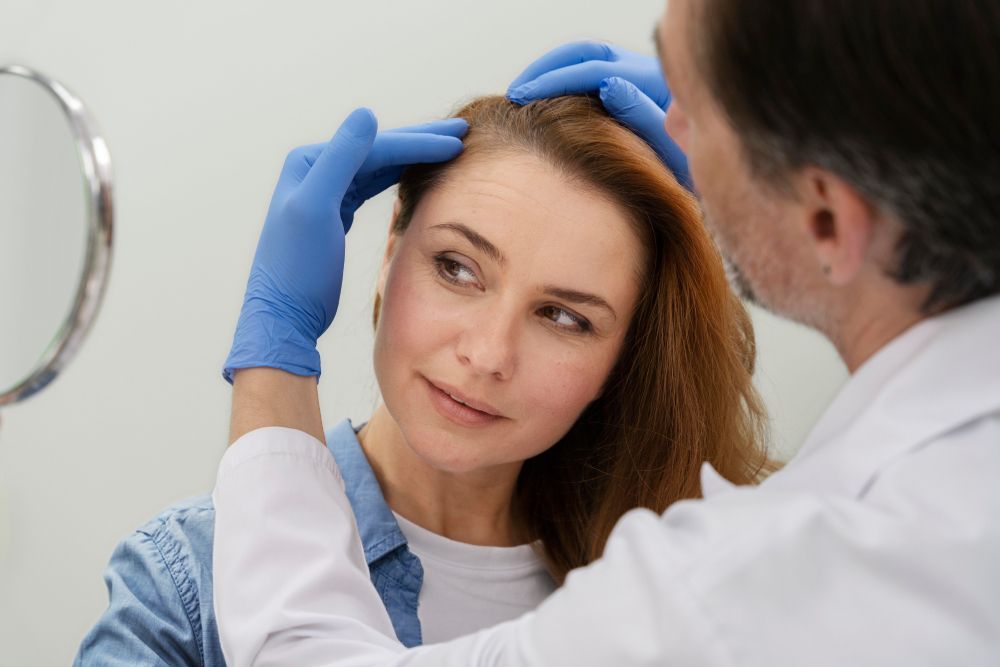
Watching your hair thin is a stressful experience, but it is a common medical reality for many. Clinical data from the Cleveland Clinic indicates that over 50% of women in the United States will experience noticeable hair loss at some point in their lives.
By exploring hair restoration treatments for women, you can take proactive steps to address a condition that's often treatable with the right medical intervention. With that in mind, identifying the biological triggers is the first step toward a successful recovery.
Biological and Environmental Causes of Thinning
Hair loss is usually a symptom of internal or external imbalances rather than a random occurrence.
- Hormonal Fluctuations: Estrogen levels drop significantly during menopause or postpartum recovery, which often serves as the primary trigger for thinning.
- Chronic Stress: Elevated cortisol levels push hair follicles into a premature resting phase, leading to increased shedding.
- Nutritional Deficiencies: Low levels of iron, zinc, or Vitamin D prevent follicles from receiving the essential nutrients required to produce strong, healthy strands.
- Mechanical Damage: Frequent heat application and tight hairstyles can cause physical trauma to the scalp, leading to permanent follicle scarring.
- Traction Alopecia: According to the Mayo Clinic, excessive hairstyling and hair extensions are common causes of hair loss in women.
Recognizing the Symptoms of Hair Loss
Normal shedding involves 50 to 100 hairs a day, but seeing clumps in the shower or visible patches of scalp indicates a deeper issue. Early detection is your most effective tool because dormant follicles are easier to revive than those that have completely stopped functioning. Seeking reliable hair restoration services for women at the first sign of thinning ensures you have access to the most effective treatment options.
New growth texture and quality deserve your close attention. If new hairs appear finer, shorter, or lighter in color, your follicles are likely undergoing a process called miniaturization. The National Council on Aging reveals that roughly 33% of women will live with some form of hair loss, yet many wait years before seeking help.
So, delaying treatment often means the thinning has progressed to a stage where more intensive medical therapies are required to see a visible change.
When to Consult a Specialist
The timing of your consultation depends on the speed and pattern of your hair loss. If your hair falls out in sudden, circular patches or if the loss involves scalp pain or itching, you need an immediate medical evaluation.
A specialist uses scalp analysis to determine if you are dealing with androgenetic alopecia or a temporary condition like telogen effluvium. This step moves you away from ineffective over-the-counter products and toward evidence-based medical results.
Choosing a reputable clinic is important for receiving an accurate diagnosis and a customized recovery plan. Trusted medspa consulting facilities in California ensure you have access to the latest regenerative technologies.
Restore Your Natural Hair Density
Reversing hair loss requires a combination of early detection, nutritional support, and medical intervention. Hormonal shifts, stress, and mechanical damage may be the primary drivers of thinning, but these factors don't have to define your appearance. By monitoring changes in texture and seeking professional help before follicles become dormant, you maintain the best chance for a full recovery.
At BeYouty Med Spa, we offer a comprehensive approach to hair restoration for women by targeting these biological triggers with medical precision. Our specialists evaluate your unique scalp health to create a plan that restores your hair volume and personal confidence. For more information, get in touch with us today!
Frequently Asked Questions (FAQs)
Here are answers to common questions about women's hair restoration treatments:
How to prevent hair loss?
Maintain a nutrient-rich diet high in iron and Vitamin D to support healthy follicle function. You should also avoid tight hairstyles and excessive heat styling to prevent permanent mechanical damage to the scalp.
Are hair restoration treatments for women painful or invasive?
Modern medical techniques prioritize patient comfort and typically involve non-surgical, minimally invasive procedures with minimal discomfort. Most women return to their daily activities immediately following their appointment without any need for recovery time.
Will the results from these treatments look natural or obvious?
Professional therapies work by stimulating your own natural follicles, ensuring that new growth matches your natural hair color and texture perfectly. As a result, you will experience a gradual increase in density that looks completely authentic rather than an artificial or sudden change.
How soon will I see visible results after starting a professional program?
Hair growth cycles are slow, so most women notice a reduction in shedding within eight weeks and new growth after four months. Consistency with your treatments is the most important factor for success.
Is it too late to start treatment if I have been thinning for years?
While early intervention offers the fastest results, many advanced clinical therapies can successfully reactivate dormant follicles. A professional scalp analysis is the only way to determine your hair's remaining growth potential.
Share This Blog