PRP vs. Exosome Hair Restoration for Women: Which Treatment Is Right for You?
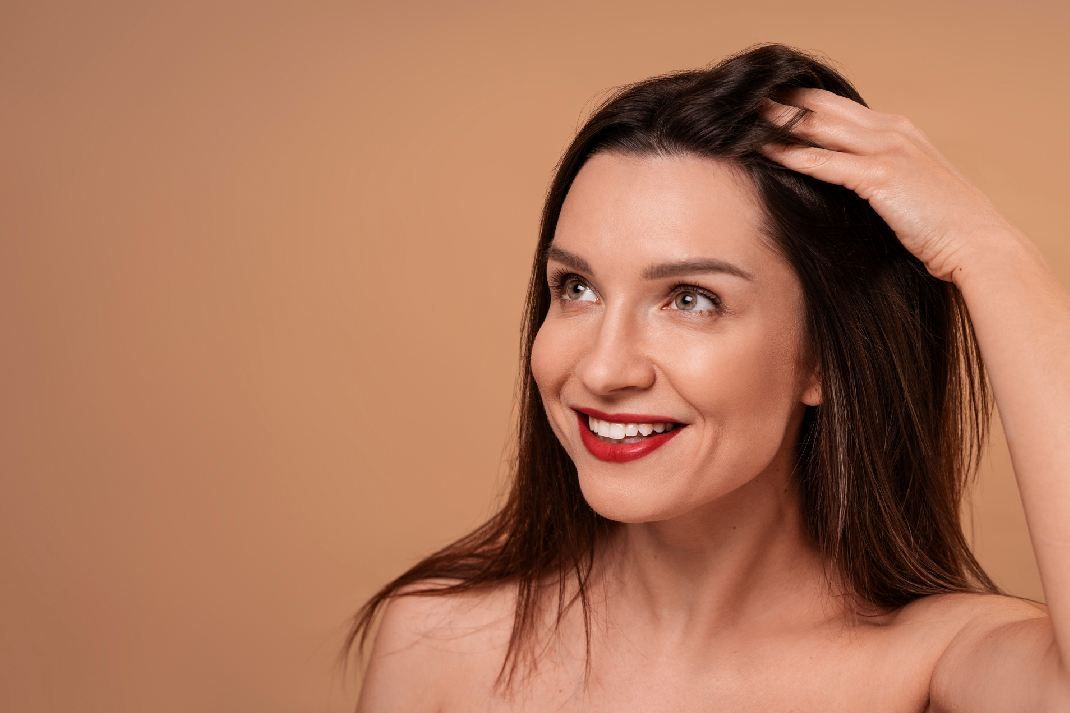
Hair thinning can affect how you feel about your appearance, especially when your part starts widening, or your hair no longer feels as full as it once did. According to the American Academy of Dermatology, female pattern hair loss affects an estimated 30 million women in the United States, making it one of the most common causes of hair loss among women.
As you explore hair restoration for women, you may come across PRP and exosome therapy. Both treatments take different approaches to supporting the scalp and hair follicle environment, which means the right option depends on your hair concerns, goals, and individual treatment plan. That said, understanding how each treatment works can help you have a more informed conversation with your provider.
How PRP Hair Restoration Works
PRP, or platelet-rich plasma, uses components from your own blood. During treatment, a provider draws a small amount of blood and processes it to concentrate the platelets before applying or injecting the PRP into targeted areas of the scalp.
Platelets contain growth factors involved in the body's natural repair processes. Researchers are studying how these growth factors may support hair follicles and encourage healthier hair growth.
PRP also has a growing body of clinical research behind it. For instance, a PubMed systematic review of 21 randomized controlled studies involving 628 women suggested that PRP may help support hair density and thickness overall. However, results varied based on treatment protocols and individual factors.
This does not mean PRP works the same way for everyone. Your results can depend on the type and progression of hair loss, your overall health, and the treatment protocol your provider recommends. For women researching hair restoration, PRP may appeal because it uses their own blood and can be incorporated into an individualized treatment plan.
How Exosome Hair Restoration Differs
Exosomes are tiny extracellular vesicles that help facilitate communication between cells. Their bioactive contents, including growth factors, cytokines, and microRNAs, may influence cellular signaling and regenerative processes involved in hair follicle growth and regeneration.
A ScienceDirect study highlights research showing that exosomes may support dermal papilla cell activity and promote pathways associated with the hair growth cycle. That said, this regenerative approach has gained interest in hair restoration because exosomes may work through multiple biological pathways that support the hair follicle environment.
Early clinical research has observed potential improvements in hair density and appearance. Meanwhile, ongoing studies continue to explore how different exosome sources and delivery methods may affect outcomes.
That said, rather than viewing PRP and exosomes as competing treatments with one universal winner, it is more useful to understand how each approach fits your specific needs.
PRP vs. Exosomes: What Should You Compare?
Choosing between treatments starts with looking at the factors that can affect your experience, potential outcomes, and overall hair restoration plan for women.
Your Type of Hair Loss
Hair thinning can develop for several reasons. For example, genetics, hormonal changes, stress, nutritional factors, medications, and certain medical conditions can all affect the hair growth cycle.
Female pattern hair loss is particularly common. The American Academy of Dermatology reports that nearly one in two women experience some degree of female pattern hair loss by age 50.
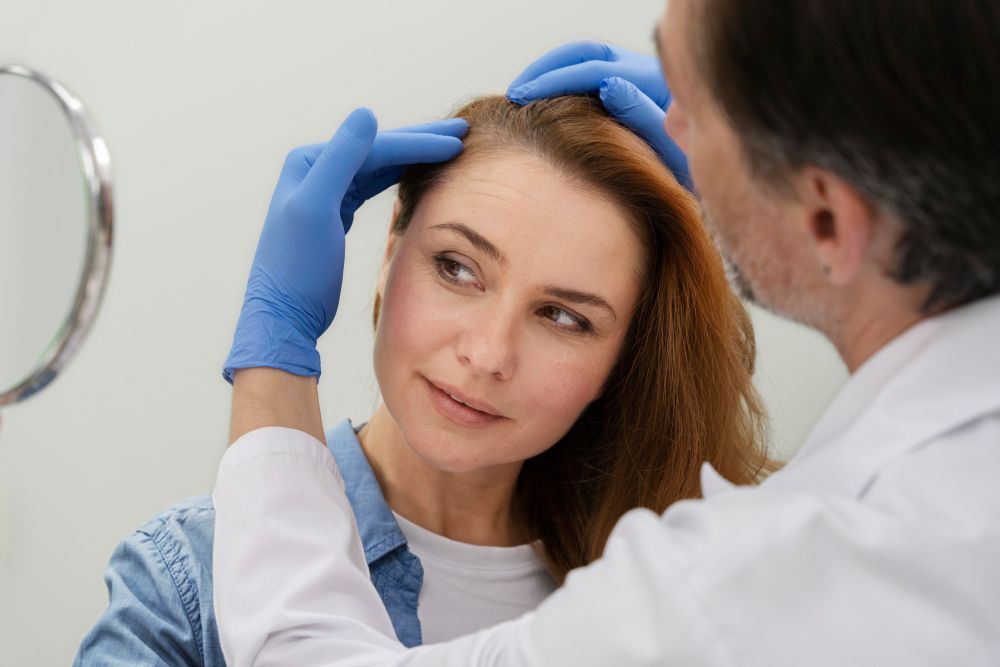
Understanding the cause of your hair loss can help determine whether PRP, exosome therapy, or another treatment approach best fits your needs. This is why consulting with an experienced medspa in Los Alamitos should come before selecting a treatment.
How Each Treatment Fits Your Goals
PRP and exosome therapy use different mechanisms, but both are designed to support the scalp environment and hair follicles. You may prefer PRP because it uses components from your own blood and has been widely studied in hair restoration.
On the other hand, you may be interested in exosome therapy because of its role in cellular communication and its potential regenerative applications. Overall, your provider can help you consider your hair loss pattern, treatment preferences, and expectations when discussing women's hair restoration options.
Choose a Personalized Approach to Hair Restoration
PRP and exosome therapy offer different approaches to supporting hair and scalp health. Neither treatment is automatically the right choice for everyone, and your best option depends on the cause and progression of your hair concerns, your goals, and your provider's recommendations. Taking a personalized approach to hair restoration for women can help you choose a treatment plan that aligns with your needs.
At BeYouty Med Spa, personalized consultations allow you to discuss your concerns and explore treatments with experienced providers who focus on natural-looking appearances. In fact, our Med Spa serves residents in Los Alamitos, Long Beach, Seal Beach, Cypress, and surrounding California communities. To get started, contact us today!
Frequently Asked Questions (FAQs)
Here are answers to common questions about hair restoration for women:
Does hair restoration work?
Hair restoration is designed to help support hair density and promote healthier-looking hair, depending on the cause and type of hair loss. Results vary based on the treatment, the individual, and how early the hair loss is addressed.
How long does a hair restoration treatment take?
Treatment time varies depending on the approach and the areas being treated. Your provider can explain what to expect during your consultation.
Will I need to take time off after hair restoration?
Most patients can return to their normal routine relatively quickly, depending on the treatment performed. Your provider will give you specific aftercare instructions and any temporary restrictions.
Will the results look natural?
Hair restoration is intended to support your existing hair and improve its overall appearance rather than create an artificial look. Your provider can discuss realistic expectations based on your hair density and treatment goals.
Share This Blog